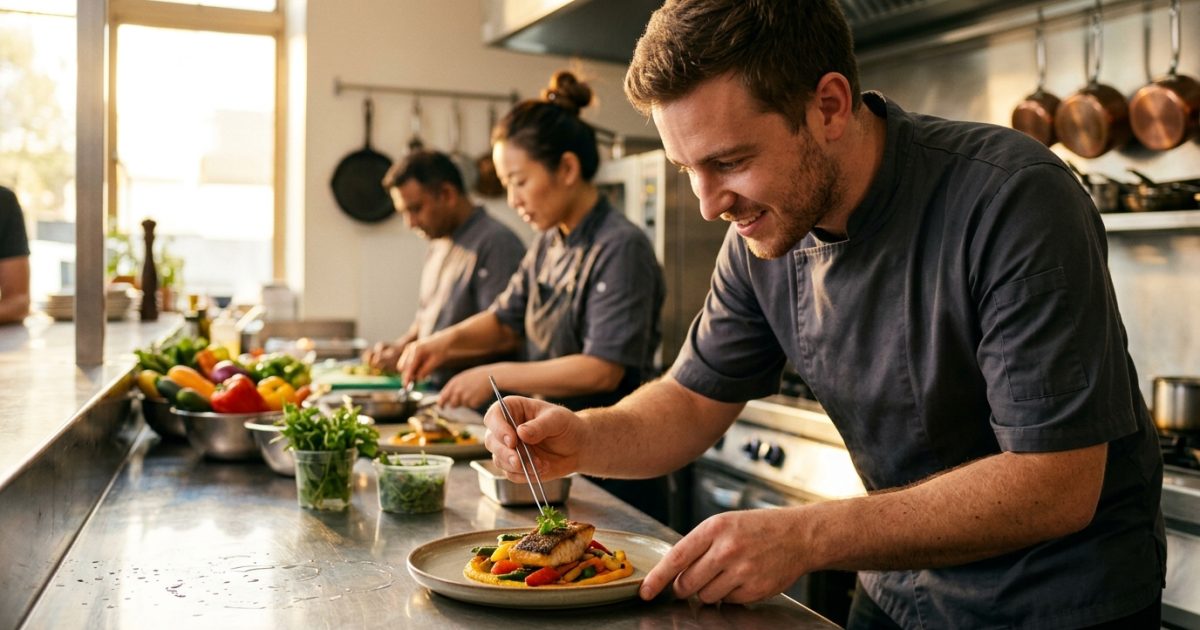
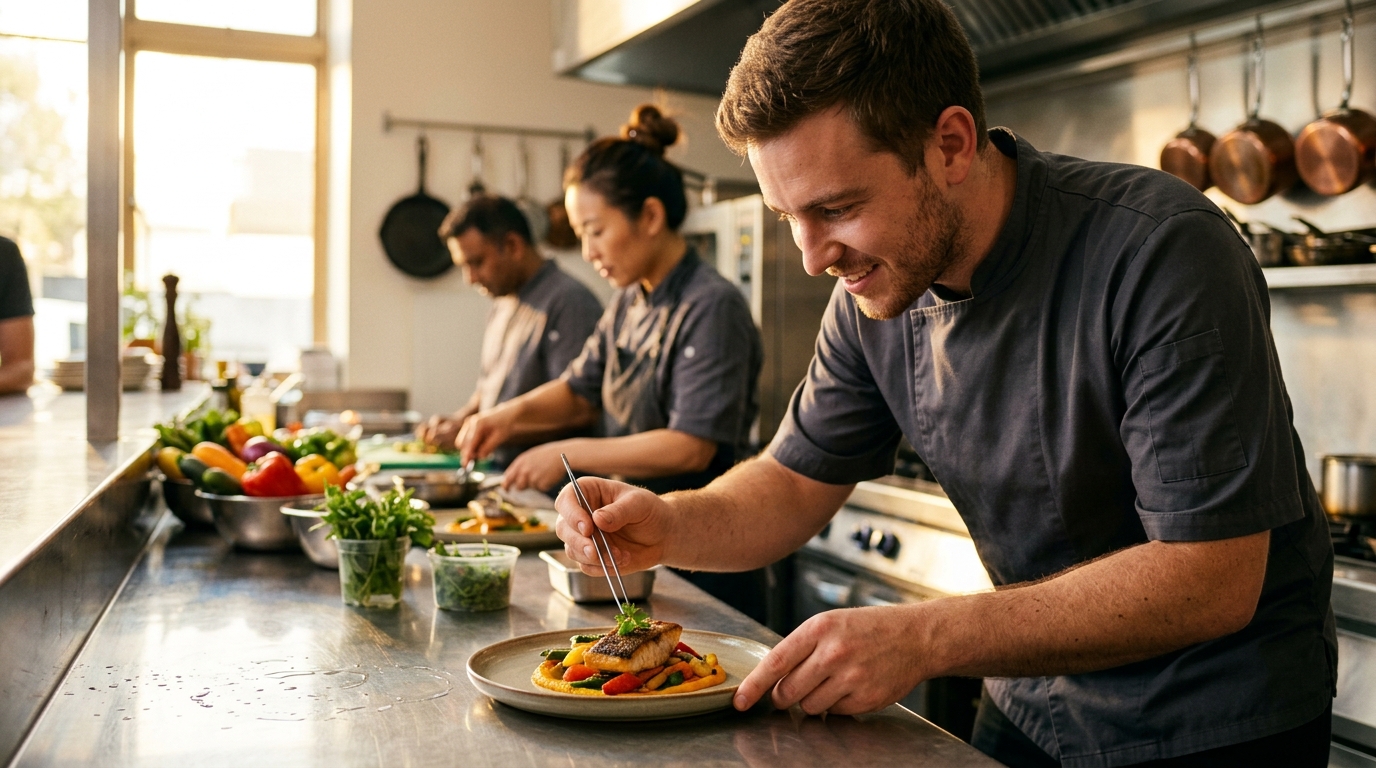
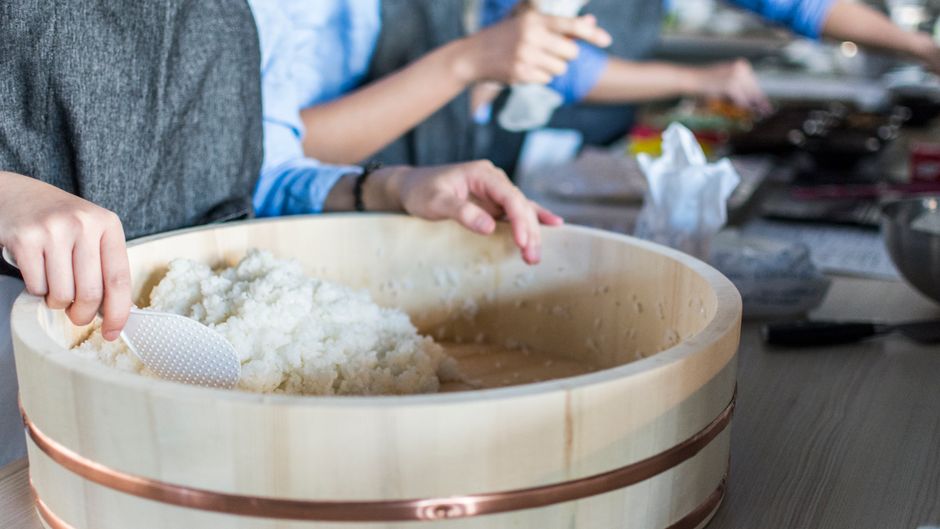
A cooking class in Melbourne teaches practical kitchen skills, cultural food traditions, and technique-focused methods across a range of cuisines and experience levels. Choosing the wrong provider can mean wasted money, a frustrating afternoon, and skills that don’t transfer beyond the class itself.
What to Look for in a Cooking Classe in Melbourne
Licensing and Credentials
Reputable cooking class providers in Melbourne should hold a current food handler or food safety supervisor certificate, and any commercial kitchen used should comply with local council food premises regulations. Ask to see these credentials before booking, particularly for classes involving raw meat, seafood, or allergen-heavy ingredients.
Insurance and Public Liability
Any class where participants handle knives, open flames, or hot equipment should be backed by public liability insurance, typically a minimum of $10 million AUD for commercial operators in Victoria. If a provider cannot confirm their coverage, that is a reason to look elsewhere.
Experience and Specialisation
A teacher with ten years running a Vietnamese home cooking class will deliver a more grounded experience than a generalist who cycles through cuisines each week. Look for providers who focus on a defined cuisine, skill level, or format, whether that is knife skills, pasta making, or fermentation.
Reviews and Word of Mouth
Check Google reviews, Tripadvisor, and local Facebook community groups for consistent feedback on class size, instructor quality, and whether the described skills were actually taught. Pay attention to reviews that mention repeat attendance, as that is a reliable indicator of genuine satisfaction.
Transparent Quoting
A good provider will clearly list what is included in the price, such as ingredients, printed recipes, equipment use, and any meal or drinks at the end of the class. Hidden costs, like ingredient surcharges or booking fees not mentioned upfront, are a sign of poor business practice.
Warranty and Guarantees
While cooking classes do not carry a traditional warranty, credible providers should offer a clear cancellation and refund policy in writing. A no-refund policy with no flexibility for illness or emergencies is worth factoring into your decision before paying a deposit.
Questions to Ask Before Hiring
- What is the maximum class size, and how many participants will be in my session?
- Is the instructor professionally trained or a self-taught practitioner, and what is their background?
- What cuisine or specific techniques does this class focus on, and what will I be able to cook independently afterward?
- Does the price include all ingredients, printed recipes, and equipment, or are there additional costs on the day?
- What is your cancellation and refund policy if I cannot attend due to illness?
- Is the kitchen accessible for people with dietary requirements such as gluten intolerance or nut allergies?
- Are participants cooking hands-on throughout the class, or is a portion of the session a demonstration only?
Red Flags to Watch Out For
- Red flag: The provider cannot confirm public liability insurance coverage or avoids the question entirely.
- Red flag: Class sizes are not disclosed upfront, or the number of participants significantly exceeds the kitchen workstations available.
- Red flag: Reviews consistently mention that the class was more of a food tour or social event than an actual skills-based session.
- Red flag: The full price is not listed clearly, and additional ingredient or booking fees only appear at checkout or on the day.
- Red flag: The provider has no written cancellation policy, or explicitly states that all bookings are non-refundable regardless of circumstance.
Frequently Asked Questions
How long does it take to find a good Cooking Classe in Melbourne?
Most people can identify a shortlist of credible options within a few hours by searching Google, checking Tripadvisor, and reading local community recommendations. Confirming details like class size, instructor credentials, and refund terms typically takes a few follow-up emails or calls. Allow a few days to get responses if you are booking during peak periods like the school holidays or the lead-up to Christmas.
What’s the average cost of a Cooking Classe in Melbourne?
Group cooking classes in Melbourne generally range from $80 to $180 AUD per person for a two to three hour session, depending on the cuisine, ingredients, and venue. Private or small-group classes from specialist instructors can run from $200 to $400 AUD per person. Corporate and team event formats typically start around $120 AUD per head with a minimum group size.
Do I need to get multiple quotes for Cooking Classes in Melbourne?
Comparing at least two or three providers gives you a clearer sense of what a fair price looks like for the format and cuisine you want. It also helps you spot outliers, whether a suspiciously low price that suggests corner-cutting on ingredients, or a premium rate that is not justified by the instructor’s experience. A side-by-side comparison of what is included in each price is the most practical way to assess value.
Choosing the right cooking class comes down to a few non-negotiable factors: verified food safety credentials, clear public liability insurance, a defined focus on technique or cuisine, honest pricing with no hidden extras, and a fair cancellation policy. Small class sizes and hands-on participation separate genuinely educational sessions from glorified dinner parties. For a curated list of vetted providers, see the Best Cooking Classes in Melbourne (2026).